Industrial Roofing in Flint, MI: Key Considerations for Large Facilities
Industrial roofing in Flint, MI covers large-scale structures such as manufacturing plants, warehouses, and distribution centers where roof performance directly affects operations and asset protection.
What Sets Industrial Roofing Apart from Standard Commercial Work?
Industrial roofing projects involve larger surface areas, heavier load requirements, and more complex penetrations than typical commercial buildings, which changes how installation and repair work is planned.
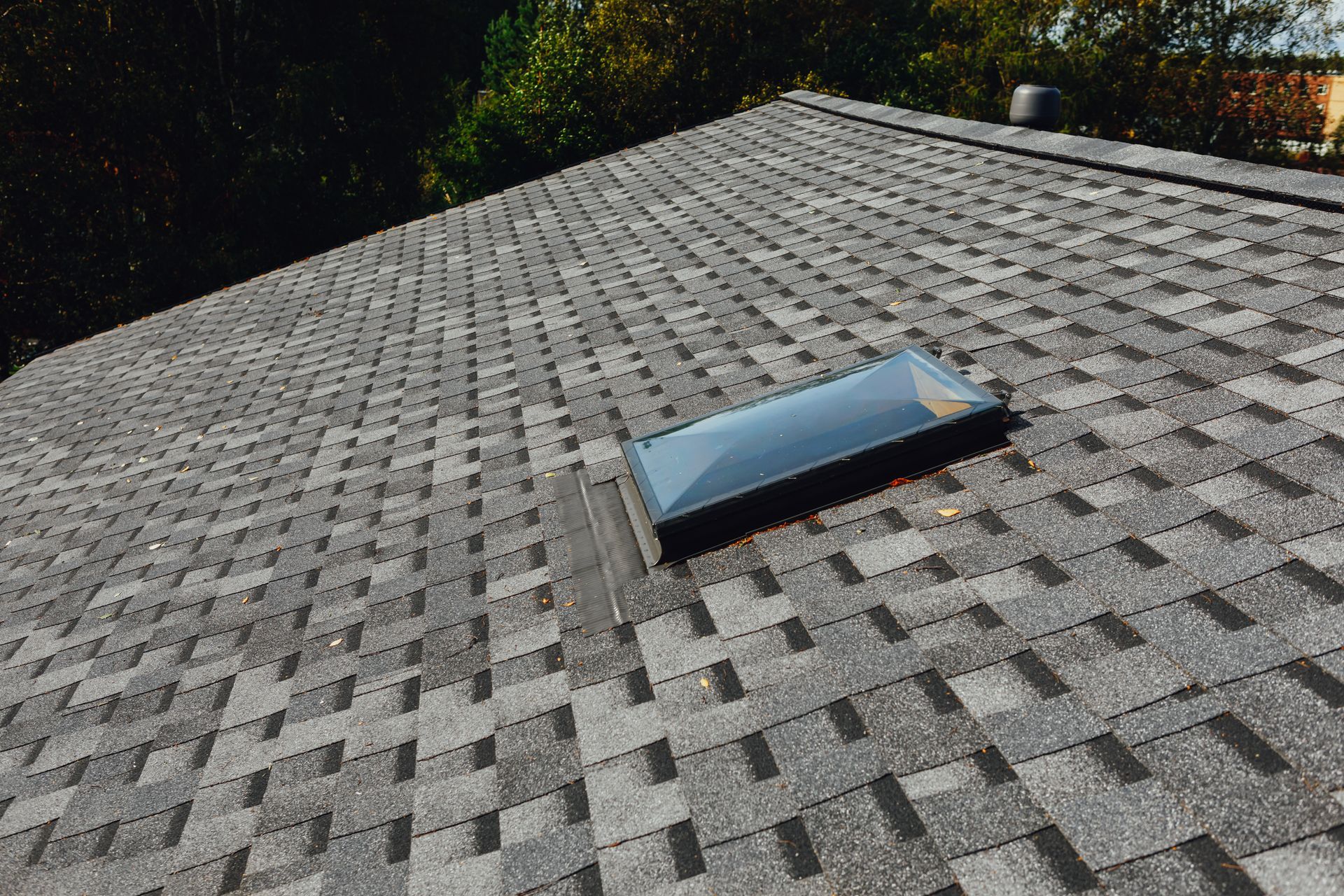
Facilities with rooftop equipment such as HVAC units, exhaust systems, skylights, and utility penetrations require careful flashing and sealing around each opening. A failure at any one of those points can allow water to enter the building and damage equipment, inventory, or structural components below.
The scale of industrial roofs also means that material selection and drainage design carry more consequence. A flat or low-slope roof covering tens of thousands of square feet must be engineered to handle Michigan's snow loads and spring melt without allowing water to pond for extended periods. Facility managers looking to find industrial roofing help in Flint, MI benefit from working with contractors experienced in large-scale systems rather than those primarily focused on residential or light commercial work.
Which Roofing Systems Are Common on Industrial Buildings?
Single-ply membranes, built-up roofing, and metal panel systems are among the most frequently used options on industrial facilities due to their durability and compatibility with large flat or low-slope surfaces.
Single-ply systems such as TPO and EPDM are popular because they can be installed quickly over large areas and offer good resistance to UV exposure and temperature fluctuation. TPO in particular has become a common choice for newer industrial construction because of its reflective properties and weld-seam strength.
Metal roofing is another option well-suited to industrial applications, especially on structures with steeper pitches or where longevity is the primary concern. Standing seam metal systems shed water efficiently and can accommodate thermal expansion and contraction, which is important in Michigan's climate where temperature swings between seasons are significant.
How Should Facility Managers Plan for Industrial Roof Maintenance?
Proactive inspection and maintenance scheduling helps industrial facilities catch minor issues before they escalate into costly repairs or operational disruptions.
Large roofs are more difficult to monitor visually from the ground, which means problems like membrane splits, blocked drains, or flashing separations can go unnoticed until water damage appears inside the building. Scheduling periodic professional inspections gives facility managers documented records of roof condition and helps prioritize repair budgets.
Keeping roof drains and scuppers clear is especially important after Michigan winters, when debris accumulation and ice can block drainage paths. Standing water adds weight to the roof structure and accelerates membrane degradation, so maintaining clear drainage is one of the most straightforward ways to extend roof life on a large industrial facility.
Flint, MI Industrial Properties and Regional Weather Demands
Flint, MI industrial facilities face roof stress from heavy snow accumulation, freeze-thaw cycling, and spring rain events that test drainage capacity and membrane integrity each year.
The Flint area sits in a region where lake-effect snow events can deposit significant accumulation in short periods. Industrial roofs with inadequate slope or blocked drainage can accumulate loads that exceed design tolerances, making post-storm inspections a practical part of facility management in this region.
Spring is also a critical period, as rapid snowmelt combined with rain can overwhelm drainage systems that were not cleared before winter. Facilities that invest in pre-winter and post-winter inspections tend to identify vulnerabilities before they become emergency repairs. You can review commercial and industrial roofing services in Flint, MI to understand the full scope of what a qualified contractor can address for your facility.
Industrial roofing projects in Flint, MI demand careful planning, the right material selection, and a contractor familiar with large-scale systems. Tri-County Roofing Company works with industrial facility owners and managers across the region. Explore your options with the team to plan a roofing approach that fits your building and your operational needs.